

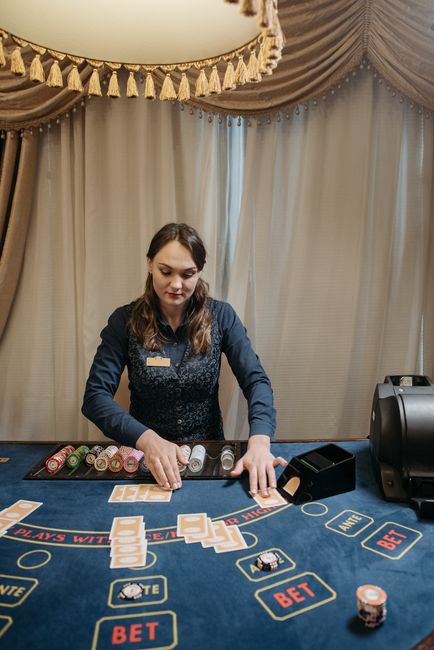
You're sitting at a virtual poker table, the flop is dealt, and you've got a gutshot straight draw. Meanwhile, your phone buzzes with a live betting tip on a Premier League match, and a slot machine in another tab is spinning its reels. This is the modern iGaming landscape—a hyper-connected ecosystem where casino games, sports betting, online slots, and poker coexist in your pocket. But beyond the flashing lights and welcome bonuses, there's a complex machinery of math, psychology, and regulation that every player should understand. Let's cut through the hype and look at how these games actually work, so you can play smarter, not just harder.
The House Edge: Your Invisible Opponent
Every game you play in a casino or online has a built-in mathematical advantage for the operator, called the house edge. It's not a conspiracy; it's the business model. For example, European roulette has a single zero, giving the house a 2.7% edge. American roulette adds a double zero, pushing that edge to 5.26%. That difference might seem small, but over hundreds of spins, it's the difference between a slow bleed and a quick drain. This is explained well on สล็อตเว็บตรง.
In online slots, the house edge is expressed as Return to Player (RTP). A slot with 96% RTP means that, over millions of spins, the machine pays back 96% of all wagered money. The remaining 4% is the casino's gross profit. That's why you'll never beat a slot machine in the long run—but you can manage your bankroll to extend your playtime. Poker is different: you're not playing against the house but against other players. The house takes a rake (a small percentage of each pot), which is how the site profits. Understanding these edges is the first step to choosing games that suit your style and risk tolerance.
Slots: More Than Just Spin and Pray
Online slots are the undisputed king of iGaming, accounting for a huge chunk of casino revenue. But they're not all created equal. Modern video slots come with a dizzying array of features: wilds, scatters, free spins, multipliers, and elaborate bonus rounds. Some are 'high volatility'—meaning you can go long stretches without a win, but when you hit, it's often huge. Others are 'low volatility,' paying out smaller amounts more frequently.
Here are a few concrete tips for slot players:
- Check the RTP before you play. Casinos often hide it in the game's info screen. Anything above 96% is decent; 97%+ is excellent.
- Understand volatility. If you have a small bankroll, low volatility slots like Starburst (96.1% RTP) keep you in the game longer. High volatility slots like Bonanza can pay thousands of times your stake but require patience and a bigger cushion.
- Don't chase progressive jackpots blindly. The odds of hitting a million-dollar jackpot are often worse than winning the lottery. Play them for fun, not as a retirement plan.
One more thing: autoplay features are convenient but can burn through your balance in minutes. Set a loss limit before you start spinning.
Sports Betting: Where Knowledge Meets Variance
Sports betting has exploded in the US and beyond, thanks to mobile apps and live in-play markets. Unlike casino games, betting on sports feels like you have an edge if you follow the teams. And sometimes you do—but the bookmaker's margin (the vig) ensures they profit regardless. A typical point spread bet has a -110 line, meaning you must wager $110 to win $100. That's a 4.76% house edge, better than most slots but still a hurdle.
To be a successful bettor, you need more than gut feelings. Here's a simple framework:
- Specialize in one or two leagues. Knowing the ins and outs of the NBA's injury reports or the Premier League's managerial tactics gives you an information edge.
- Shop for the best lines. Different sportsbooks offer slightly different odds. A half-point difference in a spread can turn a loss into a push or a win.
- Use bankroll management. Flat betting (always wagering the same percentage, say 1-2% of your bankroll) protects you from cold streaks.
- Avoid parlay addiction. Parlays are fun but have a much higher house edge because the odds multiply. A three-team parlay might pay 6-to-1, but the true odds are often closer to 7-to-1.
Live betting adds another layer: odds shift rapidly based on game events. If you're quick and have a strong read, you can find value—but the in-play margin is often higher, so tread carefully.
Poker: The Skill Game Hidden in Plain Sight
Poker is the only iGaming vertical where long-term winners exist. That's because you're competing against other players, not the house. But the rake—typically 5% of the pot, capped at $3 or so—means you need to be significantly better than your opponents to show a profit. Online poker has evolved into a shark tank, especially at higher stakes. If you're starting out, play micro-stakes ($0.01/$0.02 blinds) and focus on fundamentals.
Key concepts to master:
- Position. Acting last gives you more information and control. Play tighter in early position and looser on the button.
- Pot odds. If it costs $10 to call a $50 pot, you're getting 5-to-1. If your chance of winning is better than 1 in 6, it's a profitable call.
- Bankroll management. Never buy into a cash game with more than 5% of your dedicated poker bankroll. For tournaments, keep it to 2% or less.
Also, use tracking software (where allowed) to analyze your play. Sites like PokerTracker or Hold'em Manager can highlight leaks in your game. And remember: tilt is the enemy. If you lose a bad beat, take a break. Emotional decisions cost more than any bluff.
The Fine Print: Licensing, Fairness, and Responsible Play
Not all iGaming sites are created equal. Reputable operators hold licenses from jurisdictions like Malta, Gibraltar, the UK, or Pennsylvania. These regulators enforce strict standards for random number generators (RNGs) and payout percentages. If a site is unlicensed, you have no recourse if they refuse to pay. Always check the footer for a license number and seal.
Fairness is ensured by RNG audits from independent labs like eCOGRA or GLI. For poker, the shuffle is also certified. But even with fair games, the house edge guarantees the casino profits over time. That's why responsible gambling tools matter: deposit limits, session reminders, self-exclusion. Use them. The best iGaming experience is one you can walk away from without regret.
Final Thoughts: Play the Long Game
iGaming offers incredible entertainment—the thrill of a slot bonus, the tension of a poker bluff, the rush of a winning bet. But it's not a get-rich-quick scheme. The players who last are the ones who treat it as a cost of entertainment, not an investment. They study the math, manage their bankroll, and know when to stop. So next time you log in, remember: the house always has an edge, but with knowledge, you can at least make sure you're getting good value for your money.


Comments